

Key Takeaways
Contents
- An Indiana federal judge rejected the NCAA’s emergency motion to prevent DraftKings from referencing “March Madness” and related tournament phrases
- Judge Tanya Walton Pratt determined the NCAA failed to demonstrate irreparable harm necessary for immediate injunctive relief
- DraftKings maintains its tournament references constitute fair use and are protected under First Amendment rights
- The NCAA contends the sportsbook’s branding creates consumer confusion about an official endorsement relationship
- Litigation continues with potential for discovery proceedings and future trial
An Indiana federal judge has rejected the NCAA’s emergency motion seeking to prevent DraftKings from incorporating college basketball’s iconic tournament terminology into its promotional campaigns.
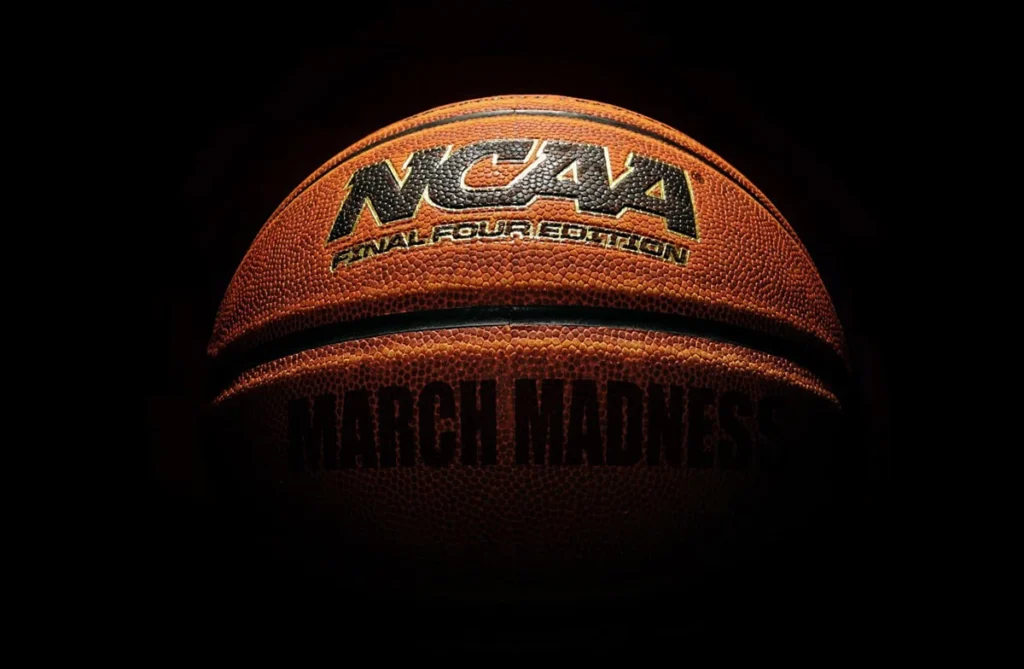
The decision was issued Thursday by Judge Tanya Walton Pratt in the Southern District of Indiana. The ruling denied a temporary restraining order that would have prohibited DraftKings from marketing its services using terminology including “March Madness,” “Final Four,” “Elite Eight,” and “Sweet Sixteen.”
The NCAA had petitioned for urgent court intervention before the 2026 tournament kicks off. The association sought an immediate prohibition on DraftKings’ commercial use of these trademarked terms.
In her decision, Judge Pratt determined the NCAA had not satisfied the burden of proving DraftKings’ terminology usage would result in irreparable harm—a critical requirement for courts to issue emergency injunctive relief.
The judge’s order indicated the NCAA retains the option to seek preliminary or permanent injunctive relief as the case progresses. However, additional evidence must be developed through the discovery process.
“With further discovery the NCAA may be able to show they are entitled to a preliminary or permanent injunction, and those claims remain pending,” Pratt wrote, according to an AP report.
Sportsbook Asserts Fair Use and Constitutional Protections
DraftKings has maintained that its references to tournament events qualify as fair use under trademark law. Additionally, the company asserts First Amendment protections cover its use of these widely recognized terms.
Legal representatives for the sportsbook operator have rejected assertions that the company’s marketing strategies violate intellectual property rights. DraftKings contends it merely references publicly known sporting events in a descriptive, factual manner.
The NCAA takes a contrasting position on the matter. The organization asserts that connecting its protected trademarks with sports wagering operations could mislead basketball fans and consumers.
The association’s primary concern centers on potential consumer confusion—specifically, that fans might incorrectly assume an official partnership or endorsement arrangement exists between the NCAA and DraftKings. According to the NCAA, this type of misunderstanding could inflict harm on its institutional reputation and brand equity.
Following the court’s decision, the NCAA highlighted portions of Judge Pratt’s order. The ruling acknowledged the possibility of consumer confusion and recognized that DraftKings appears to leverage the tournaments’ established goodwill through its marketing approach.
College Sports Organization Vows to Continue Litigation
Despite this setback, the NCAA has indicated its determination to pursue the matter through subsequent legal phases. The organization intends to proceed with comprehensive discovery proceedings.
Should circumstances warrant, the NCAA has expressed willingness to present the trademark dispute before a jury. The association considers protection of its branded tournament terminology fundamental to preserving its organizational identity.
Currently, DraftKings faces no restrictions on using the disputed tournament phrases during the upcoming 2026 March Madness event. The sportsbook can continue its marketing practices while litigation proceeds.
This legal confrontation underscores broader conflicts between athletic governing bodies and sports wagering operators regarding brand utilization. Since legalized sports betting expanded nationwide, sportsbooks have established increasingly prominent associations with marquee sporting events.
The lawsuit remains pending in Indiana’s Southern District. The potential for permanent injunctive relief persists as the judicial process unfolds.
The NCAA may pursue a preliminary injunction motion once additional evidence emerges during discovery. Such action could materialize within the coming weeks or months depending on case developments.
